🌪️ Storm, flood or fire emergency in Tuscaloosa? We answer 24/7 — call (205) 539-5453
📚 Restoration Guide
What to Do After Heavy Rain & Flooding in Tuscaloosa
After heavy rain or flooding in Tuscaloosa, stay safe first: never walk or drive through floodwater, keep the power off in wet rooms, and treat all standing water as contaminated Category 3 “black water.” Once it is safe, document everything for insurance, start drying the structure as fast as possible, and call a professional restoration team to extract water and prevent mold.
Tuscaloosa is known for tornadoes, but the quieter threat is water. Sitting along the Black Warrior River, our area sees heavy downpours, saturated clay soil, and flash flooding that overwhelms storm drains in a matter of minutes. From low-lying streets in Alberta to homes near Cottondale and Holt, rising water and roof-driven rain damage happen far more often than most homeowners expect.
Safety First: Electrical and Contaminated-Water Hazards
Before you clean anything, protect yourself. Floodwater and electricity are a deadly combination, and hidden hazards make a wet home more dangerous than it looks.
If water has reached outlets, appliances, or the panel, do not enter until the power is off. Only flip the main breaker if you can reach it without standing in water; otherwise call an electrician or the utility.
Assume floodwater is contaminated. It can carry sewage, fuel, lawn chemicals, and bacteria washed in from Tuscaloosa streets and yards.
Wear rubber boots and gloves, and keep children and pets away from wet areas.
Watch for weakened floors, ceilings sagging with trapped water, and gas smells. Leave immediately if you suspect a leak.
Why Floodwater Is Category 3 “Black Water”
Not all water damage is equal. Restoration professionals classify water into three categories, and flooding almost always falls into the worst one.
Category 3 water, often called black water, is grossly contaminated and can cause serious illness. Rising river water, street flooding, and any water that has touched sewage or ground contaminants qualifies. In humid Alabama conditions, that bacteria load multiplies quickly.
Because of this, porous materials soaked by floodwater usually cannot be safely dried and reused. That is very different from a clean supply-line leak, and it is why do-it-yourself drying often leaves a hidden health risk behind.
Your Step-by-Step After-Flood Checklist
Once the home is safe to enter, work through these steps in order. Moving quickly in the first 24 to 48 hours makes the biggest difference in what can be saved.
Confirm safety. Verify the power is off in affected areas and that the structure is stable before entering.
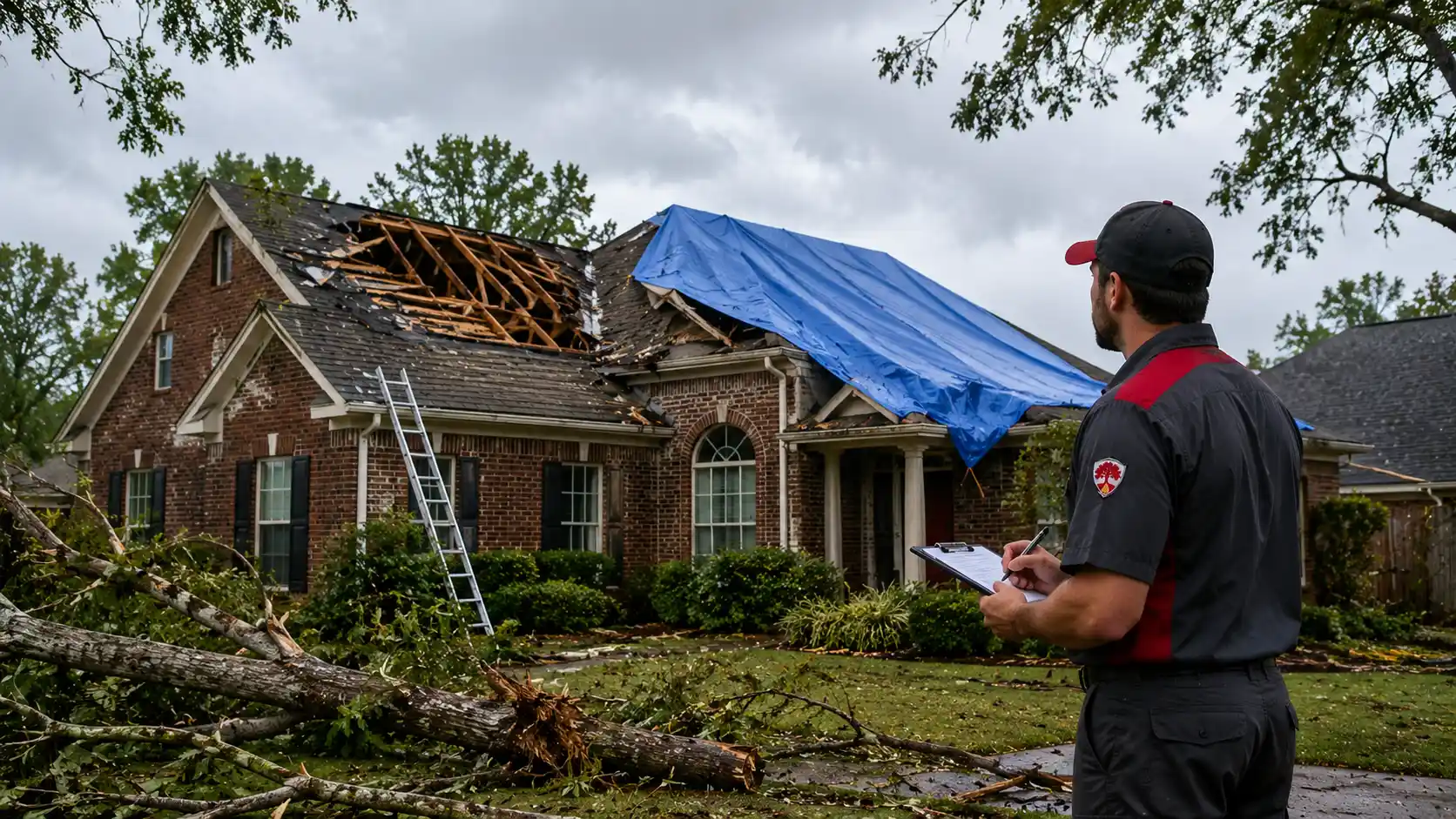
Stop the source if possible. If rain is still entering through a damaged roof or window, cover the opening with a tarp to limit further intrusion.
Document everything. Photograph and video every room, wall, and damaged item before you move or discard anything.
Remove standing water. Use pumps or wet vacuums where safe, and shovel out mud that carries contaminants.
Get air moving. Open windows on a dry day, run fans, and start dehumidifiers to lower moisture fast.
Remove soaked porous items. Pull up wet carpet, padding, and ruined belongings to slow mold growth.
Call your insurer and a restoration pro. Report the claim and get professional extraction and drying started before mold sets in.
Speed matters more than anything else after a flood. Mold can begin growing within 24 to 48 hours, so the sooner drying starts, the more of your Tuscaloosa home you can save.
What Can Be Saved and What Has to Go
After Category 3 flooding, the guiding rule is simple: hard, non-porous surfaces can often be cleaned and disinfected, while soft, porous materials that soaked up contaminated water usually must be removed. The table below is a general guide, not a final ruling on your specific loss.
Often Salvageable
Usually Removed
Solid wood furniture (cleaned and dried)
Carpet and carpet padding
Metal, glass, and hard plastics
Soaked drywall and insulation
Tile and sealed concrete floors
Upholstered furniture and mattresses
Dishes and non-porous kitchenware
Particleboard and pressed-wood cabinets
Structural framing (if dried in time)
Wet ductwork lining and ceiling tiles
Anything that touched black water and cannot be fully cleaned and dried should be discarded for health reasons. When in doubt, photograph the item first, then let a professional assessment guide the final call.
Documenting Damage and the Flood-Insurance Gap
Good documentation protects your claim. Take wide shots of each room plus close-ups of damaged materials, and keep a written list of losses with approximate purchase dates where you can.
Here is the detail that surprises many homeowners: standard homeowners policies usually exclude flood damage from rising water. Coverage for true flooding typically requires separate flood insurance. If a storm drove rain in through a wind-damaged roof, that may be treated differently than water that rose up from the ground.
Read your policy and ask your agent specific questions before assuming you are covered. Where your policy allows, we can bill your insurer directly, which removes one more headache during a stressful week.
Mold Risk in Humid Alabama
Tuscaloosa summers are warm and humid, which is ideal for mold. Once porous materials stay damp, colonies can take hold in about a day or two and spread inside walls where you cannot see them.
That is why drying is not just about comfort; it is about stopping a second, slower disaster. Professional drying uses moisture meters to confirm that walls, subfloors, and framing are truly dry, not just dry to the touch. If mold has already appeared, our mold remediation team in Tuscaloosa can contain and remove it safely.
How Storm and Flood Damage Differ From Tornado Damage
Storm and flood damage is mostly about water: saturated materials, contamination, and the race against mold. Tornado damage tends to be sudden structural destruction from wind and debris, which brings different safety concerns and a different repair path.
Call for help when water covered a large area, entered wall cavities, sat for more than a few hours, or came from flooding or sewage. Those situations need proper extraction, structural drying, and disinfection that household fans cannot deliver.
We offer free inspections and 24/7 availability across Tuscaloosa, Northport, Cottondale, Alberta, and Holt, handling extraction, drying, and cleanup from start to finish. Learn more about our water damage restoration in Tuscaloosa, or reach us any time at our contact page or by phone at (205) 539-5453.
Heavy Rain and Flooding FAQs
Is it safe to walk through floodwater in my home?
No. Floodwater in Tuscaloosa is treated as Category 3 black water and can be contaminated with sewage, fuel, and bacteria. It may also hide electrical hazards and weakened floors, so keep out until the power is off and the structure is confirmed safe.
How fast can mold grow after a flood?
Mold can begin growing within 24 to 48 hours in Tuscaloosa’s warm, humid climate. That is why fast water removal and structural drying are the most important steps after flooding.
Does homeowners insurance cover flood damage?
Standard homeowners policies usually exclude flood damage from rising water. True flood coverage generally requires a separate flood insurance policy, so check your specific policy and ask your agent before assuming you are covered.
What should I remove after floodwater enters my house?
Soaked porous materials such as carpet, padding, drywall, insulation, and upholstered furniture usually must be removed because contaminated water cannot be safely cleaned from them. Hard, non-porous surfaces can often be cleaned and disinfected instead.
What is the first thing I should do after heavy flooding?
Make sure the home is safe by confirming the power is off in wet areas and the structure is stable. Then document the damage with photos and video before you move or discard anything.
How is flood damage different from tornado damage?
Flood damage centers on contaminated water, saturation, and mold risk, while tornado damage is usually sudden structural destruction from wind and debris. Many Tuscaloosa storms cause both at once, so the response often overlaps.
Do you serve areas outside the city of Tuscaloosa?
Yes. We serve Tuscaloosa, Northport, Cottondale, Alberta, and Holt with free inspections and 24/7 availability for extraction, drying, and cleanup.
Can you bill my insurance company directly?
Where your policy allows, we can bill your insurer directly to simplify the process. We recommend documenting all damage thoroughly and reporting your claim as soon as it is safe to do so.
To prevent mold in Alabama’s humid climate, keep indoor humidity below about 50%, fix leaks fast, ventilate bathrooms and kitchens, and dry any wet area within 24 to 48 hours. Mold spores are always in the air, but they only take hold when moisture lingers. In Tuscaloosa, controlling that moisture is the entire game. Homeowners […]
In the first 24 hours after a house fire in Tuscaloosa, safety comes first: do not re-enter the home until the fire department clears it, then contact your insurer, document everything with photos, and secure the property against weather and intruders. Avoid touching soot, running the HVAC, or using appliances, because early mistakes lock in […]
A sewage backup is a health emergency, not a plumbing inconvenience: stop using all water, keep people and pets away from the contaminated area, and call trained cleanup professionals right away. Raw sewage is classified as Category 3 “black water” and carries pathogens that can make your family sick within hours. In Tuscaloosa, we can […]
Water damage is sorted into three categories: Category 1 (clean water), Category 2 (gray water), and Category 3 (black water). The categories describe how contaminated the water is, not how much of it there is. Knowing the category shapes how a Tuscaloosa home is cleaned, what can be saved, and how insurers handle the claim. […]
How long does water damage restoration take? In Tuscaloosa, AL structural drying runs ~3-5 days, minor jobs 24-48 hours, and full repairs 1-2 weeks. See the phase-by-phase timeline and what slows it down.
Learn the 7 signs of mold hiding inside your walls — musty odor, black spots, bubbling paint, soft drywall and more. A Tuscaloosa, AL guide to Deep-South humidity, crawl-space mold and when to call a pro. Call (205) 539-5453.